
Finding the Right Balance Between Intensity, Rest, and Fuel for Sustainable Progress
When I first started working out, my approach was simple: push harder, train longer, and eat less. I was focused on seeing fast results, constantly trying to outdo myself, and hoping the effort would pay off. At first, it worked—I lost weight, got stronger, and was seeing changes in my body. But over time, I started to feel fatigued, my joints began aching, and I found myself dealing with minor injuries that didn’t seem to go away. It felt like my body was fighting against me, rather than working with me. That’s when I realized I needed to rethink how I was approaching my fitness journey.
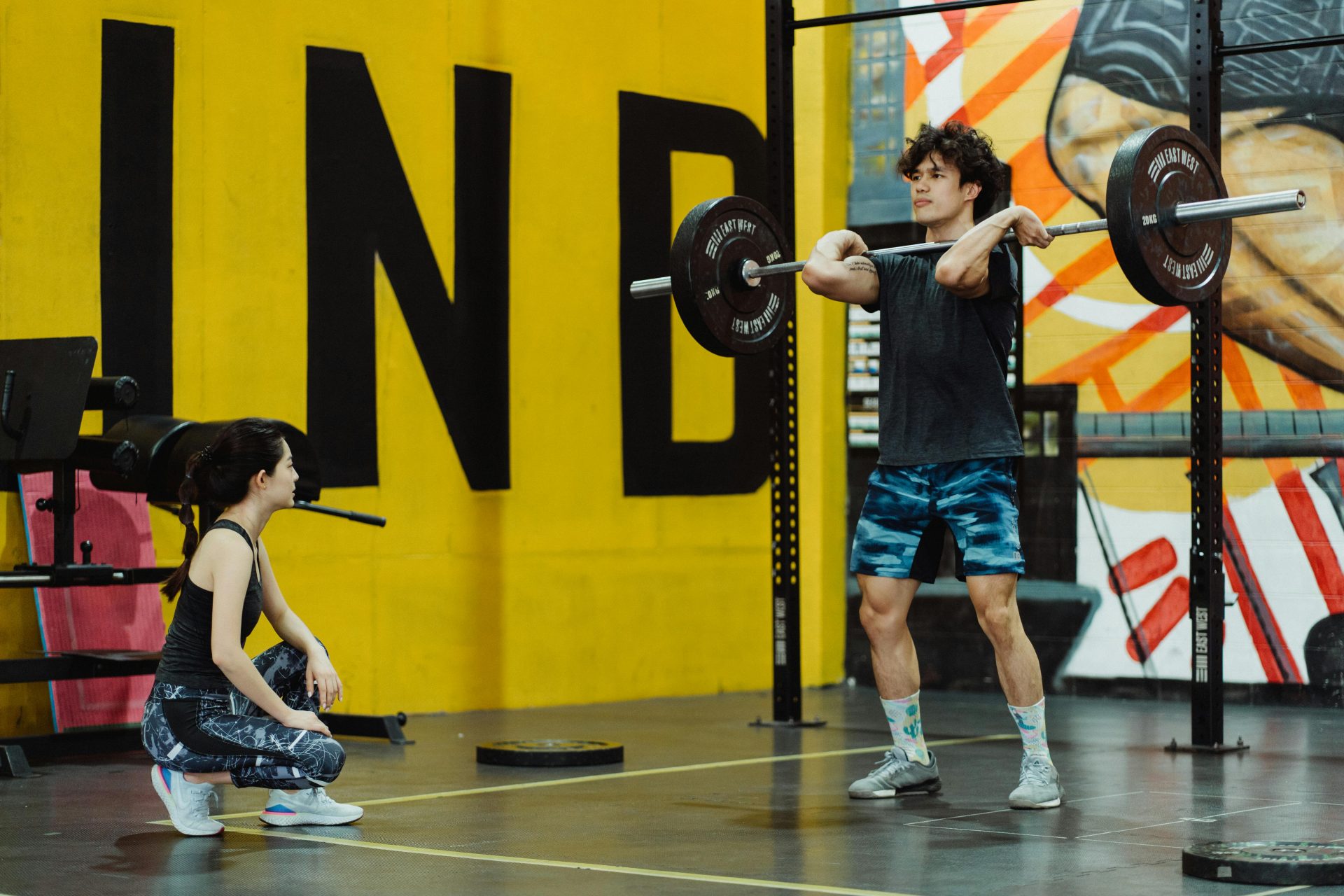
The first step in my transformation was learning how to prevent injuries. I had always been eager to push myself, but I wasn’t paying enough attention to the importance of recovery. I was either skipping warm-ups or cool-downs or doing exercises that were too intense for my current fitness level. What I didn’t realize at the time was that my body needed more than just hard workouts—it needed time to recover, rebuild, and repair. I started incorporating mobility drills and dynamic stretching into my routine to improve my flexibility and joint health, and I made sure to always include a proper warm-up before lifting and a cool-down after.
I also learned how important it was to listen to my body. When I felt pain or discomfort, instead of pushing through it, I would scale back or modify the exercise. I focused on technique, proper form, and being mindful of my limits. Preventing injury became just as important as the workout itself. In addition, I made sure to incorporate rest days into my routine. I used these days to focus on active recovery—gentle yoga, foam rolling, or just walking—allowing my muscles time to recover without putting additional strain on them.
As my approach to training became more balanced, I also started paying more attention to my nutrition. I had always thought of food as fuel, but I didn’t always make the best choices. My diet was often too low in protein, and I didn’t eat enough of the right fats or carbs to support my workouts. I was often caught up in trying to lose weight and would restrict my calorie intake, thinking I was doing the right thing. But I realized that for my body to perform well and recover properly, I needed to nourish it—not deprive it.
I started focusing on a balanced diet that included lean proteins, healthy fats, and complex carbohydrates. I also made sure to eat enough to fuel my workouts and support muscle recovery. I began paying attention to how different foods made me feel. Certain foods gave me sustained energy, while others left me feeling sluggish or bloated. Hydration became a key focus, and I made sure to drink plenty of water throughout the day, especially before and after workouts. Nutrition wasn’t just about what I cut out—it was about adding in the right things to optimize my performance and recovery.
Over time, I started seeing the benefits of this holistic approach. I was training smarter, not harder, and it paid off in both my performance and overall well-being. I felt more energized, stronger, and less prone to injuries. I no longer felt like I was battling my body; instead, I was working with it. My workouts became more effective, my recovery improved, and I was able to push myself in a way that was sustainable for the long term.
Now, my fitness routine isn’t just about pushing limits. It’s about understanding that progress takes time and balance. It’s about respecting my body, fueling it properly, and giving it the recovery it needs to keep improving. By training smarter, listening to my body, and focusing on proper nutrition, I’ve been able to make lasting changes that go beyond just the physical—it’s about creating a lifestyle that supports both my fitness goals and my overall health.